
What a Transitional Living Program home actually needs
The difference between a rental and a home a program can build on — furnishings, standards, and the things nobody thinks about until they are missing.
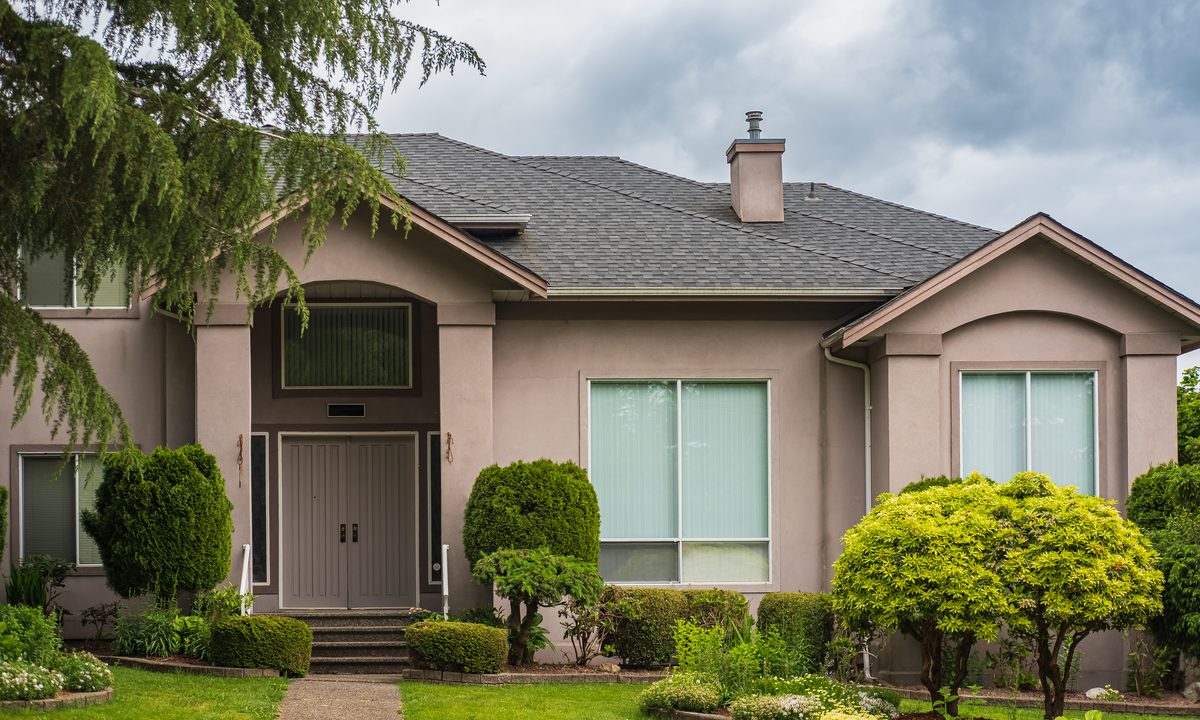
Ask ten people what a Transitional Living Program home is and you will get ten answers. Some picture a group facility with a front desk. Some picture an apartment with a caseworker who stops by. Most picture something in between, and most of them are picturing the program rather than the building.
That is the gap worth closing. A Transitional Living Program is a service model. The home is the physical thing the model runs inside of. When the building is wrong, the service model absorbs the damage — in staff hours, in placement disruptions, in young people who move again when they were finally starting to settle.
We provide the housing side of this equation for organizations across Texas, so we spend our days on the unglamorous end of it: what actually needs to be in a home before a program can operate out of it. Here is what we have learned matters, and what quietly does not.
Start with the thing nobody puts in the budget: furniture
An empty house is not housing. It is a project. Yet the standard rental transaction hands a program four walls and a set of keys and treats everything else as somebody else’s problem.
Count what “everything else” means for a four-bedroom co-living home. Four beds, four mattresses, four sets of linens, four dressers, four desks or work surfaces, four lamps. A couch and seating for common space. A kitchen table and chairs. Pots, pans, plates, glasses, silverware, a coffee maker, a microwave, a toaster. Towels. Shower curtains. Trash cans. A vacuum. A first-aid kit. Light bulbs.
None of that is exotic. All of it takes weeks to source and thousands of dollars to buy, and it lands on a program in the same window it is trying to hire, license, and enroll. We have watched capable organizations lose a full month to furniture logistics — a month a young person spent somewhere less stable.
The furniture is not a nice-to-have. It is the difference between a house a program can use in a week and a house it can use in two months.
This is why every home we master-lease arrives furnished and stocked. Not staged — stocked. A resident can move in the day the lease is signed and cook dinner that night.

The bedroom question decides more than you would expect
Young people coming out of foster care have often spent years without a room of their own. Shared placements, temporary placements, a couch at a relative’s. Privacy has been a variable, not a given.
A private bedroom with a door that closes does more for a resident’s sense of footing than almost anything else the physical space can offer. It is where they keep their things and know the things will be there tomorrow. It is where they take a phone call without an audience. It is the first room many of them have ever been able to call theirs.
Programmatically, private rooms also reduce friction. Roommate conflict is one of the most common reasons a co-living placement fails, and shared bedrooms multiply the surface area for it. If you are evaluating a home for a Transitional Living Program, count the bedrooms before you admire the kitchen.
Common space has to be usable, not just present
Co-living works when residents can be around each other comfortably and also get away from each other. That requires two kinds of space, and a lot of houses only have one.
A living room with real seating for everyone in the house. A kitchen table people can actually eat at together. Somewhere to work — a desk, a counter, a corner with a chair and a lamp — that is not the bed. A young person taking online classes or filling out job applications from under a blanket is a young person who will stop doing it.
The homes that work best have a clear rhythm: private rooms, shared common areas, and one or two spots where somebody can sit with a laptop and not be in the middle of the house.
The infrastructure list
Some requirements are boring and non-negotiable. These are the ones that generate the most calls when they are missing.
The non-negotiables
What a program needs that has nothing to do with the building
The physical checklist gets the attention, but the lease behind it decides whether any of it lasts.
A program on a twelve-month lease is a program that starts negotiating its own survival at month eight. That uncertainty travels. Staff feel it. Residents feel it. Referral partners feel it and hesitate before sending someone.
Multi-year terms change the math. A program with several years of housing certainty can hire with confidence, build relationships with schools and employers in that specific neighborhood, and tell a young person the truth when they ask how long they can stay.
The second piece is knowing who handles what. Housing questions and program questions are different jobs, and the arrangement works best when the roles are written down. Your organization runs the program, selects residents, and does the case management. We provide the home, the furnishings, documented house standards, regular walkthroughs, and predictable billing. One point of contact on each side. Nobody guessing.
The things that matter less than people expect
A short list, because chasing these wastes real time.
- Square footage past a point. Layout and privacy beat raw size every time. A well-arranged 1,600-square-foot home outperforms a sprawling 2,400-square-foot one with two bedrooms.
- Newness. Well-maintained beats new. Residents notice whether things work, not the year the house was built.
- Prestige of the neighborhood. Safe, connected, and near transit matters. Impressive does not.
- Designer finishes. Nobody has ever reported feeling more stable because of a backsplash.
Standards are what keep a home a home
A furnished house on day one is easy. A furnished house that still looks like a home in year three is a different problem, and it is the one that separates housing that works from housing that quietly degrades.
Residential co-living is hard on a property. Multiple people, high turnover, young adults learning household routines for the first time in their lives. That is not a criticism of the residents — it is the nature of the model, and it should be planned for instead of discovered.
Planning for it means written standards and regular eyes on the property. Not surprise inspections that make residents feel policed, but a predictable rhythm everyone knows about: someone walks the home, notes what is wearing out, and it gets addressed before it becomes a crisis.
The benefit runs three directions at once. Residents live somewhere that stays decent, which matters more to a young person’s sense of worth than most adults remember. The property stays viable for the next resident and the one after. And the program never loses a placement to a maintenance failure that was visible six months earlier.
Standards are not about controlling residents. They are about making sure the home is still worth living in when the fourth resident moves into that bedroom.
Written standards also settle arguments before they start. When expectations exist on paper — what the home is for, what condition it stays in, who calls whom — nobody is improvising at ten at night, and the relationship between the program and the housing provider stays a partnership instead of a negotiation.
A note on where the home sits
Location gets discussed as a safety question, and it is one. But for this population it is mostly an access question.
A young person building independence needs to physically reach the things independence is made of — a job, a classroom, a clinic, a grocery store. Most of them do not have a car. Some are working toward a license. A home twenty minutes from the nearest bus line is a home where every one of those goals costs an hour and a favor.
Ordinary neighborhoods work best. Residential streets, other families around, a bus route within a reasonable walk, a grocery store that is not a whole trip. Not because the neighborhood is impressive, but because a young person can participate in normal life from it without needing a ride every time.
The honest test
When we look at a home for a Transitional Living Program, we ask one question: could a young person move in today and start building something?
Not tour it. Not wait for the beds to arrive. Move in, unpack, cook dinner, sleep in their own room with the door closed, get up, and go to school or work with internet that holds and clean clothes in the dresser.
If the answer is yes, the housing is doing its job, and the program can get on with doing theirs. If the answer is no, no amount of good programming fully closes the gap. Everything on this page is in service of getting to yes faster.
Looking at homes for your program?
Tell us what your program needs and where you serve. We will show you what is available and what is coming.
Partner With Us