Housing
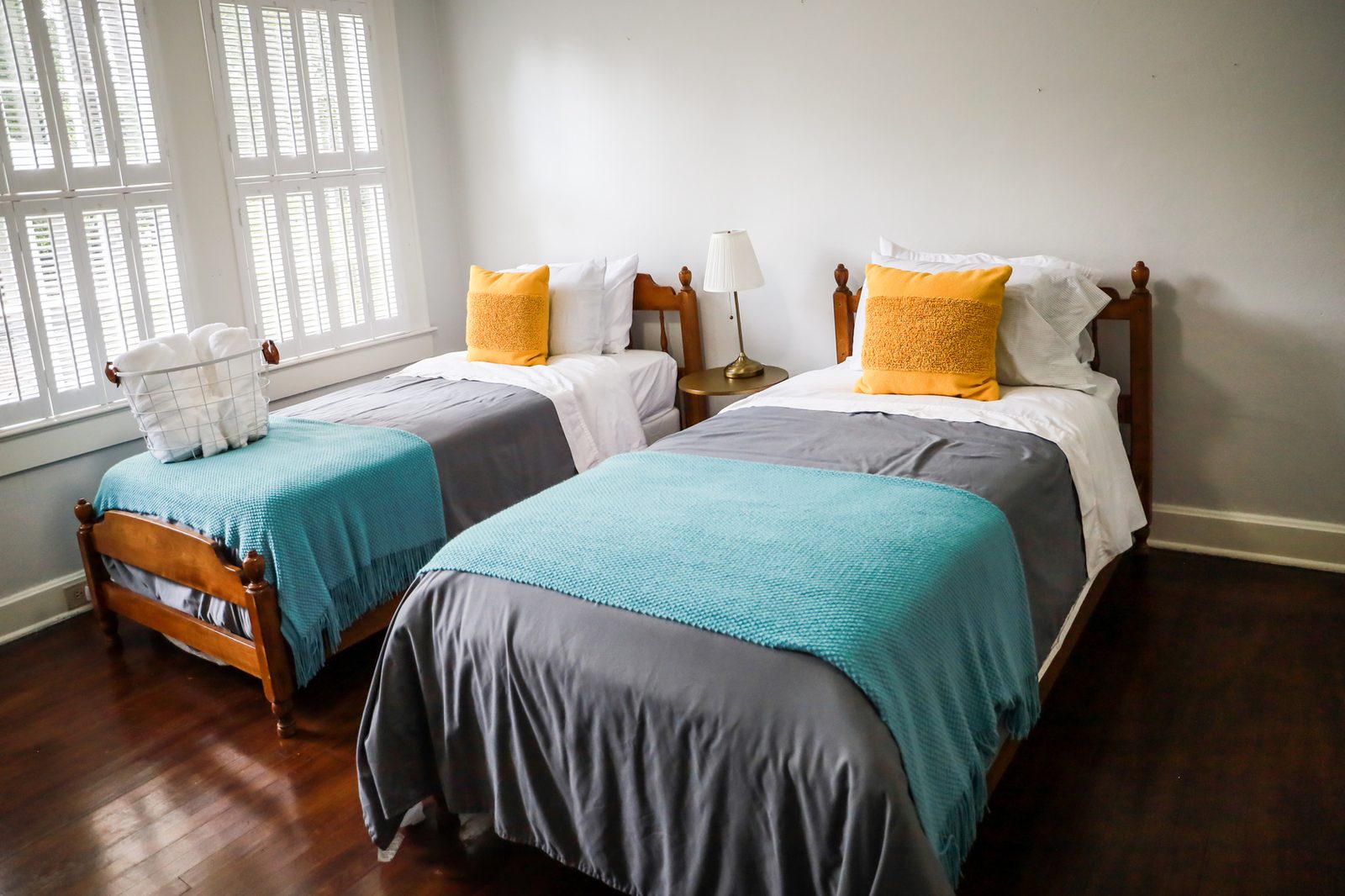
What actually holds up when you furnish a shared home
Furniture built for one family doesn’t survive six residents and a two-year lease — what does, measured against real Texas licensing minimums.
Read more ›
News & notes
Furniture built for one family doesn’t survive six residents and a two-year lease — what does, measured against real Texas licensing minimums.
Read more ›
A fixed housing line is a real advantage in a budget or a grant narrative — but it only covers part of what a shared home actually costs your program each month.
Read more ›
A renewal notice can feel like everything is back on the table. In a multi-year master lease, almost none of it actually is.
Read more ›
Negotiating a lease and chasing a renewal were never in the job description — and they quietly cost programs more than anyone tracks.
Read more ›
Most of what breaks a shared-home placement was visible on the first walk-through — if anyone thought to look for it.
Read more ›
HCS and TxHmL sound like two versions of the same benefit. Only one of them funds a move into a home, and the difference is easy to miss on a fast referral.
Read more ›
The population curve, the affordability math, and the multi-year wait list — and where organizations serving seniors can actually move faster.
Read more ›
NARR’s four levels and TROHN certification decide what a sober living home has to prove before residents move in.
Read more ›
The lease structure behind GPD housing is unusual, and it only works if the landlord relationship is built to handle it.
Read more ›
The difference between a rental and a home a program can build on — furnishings, standards, and the things nobody thinks about until they are missing.
Read more ›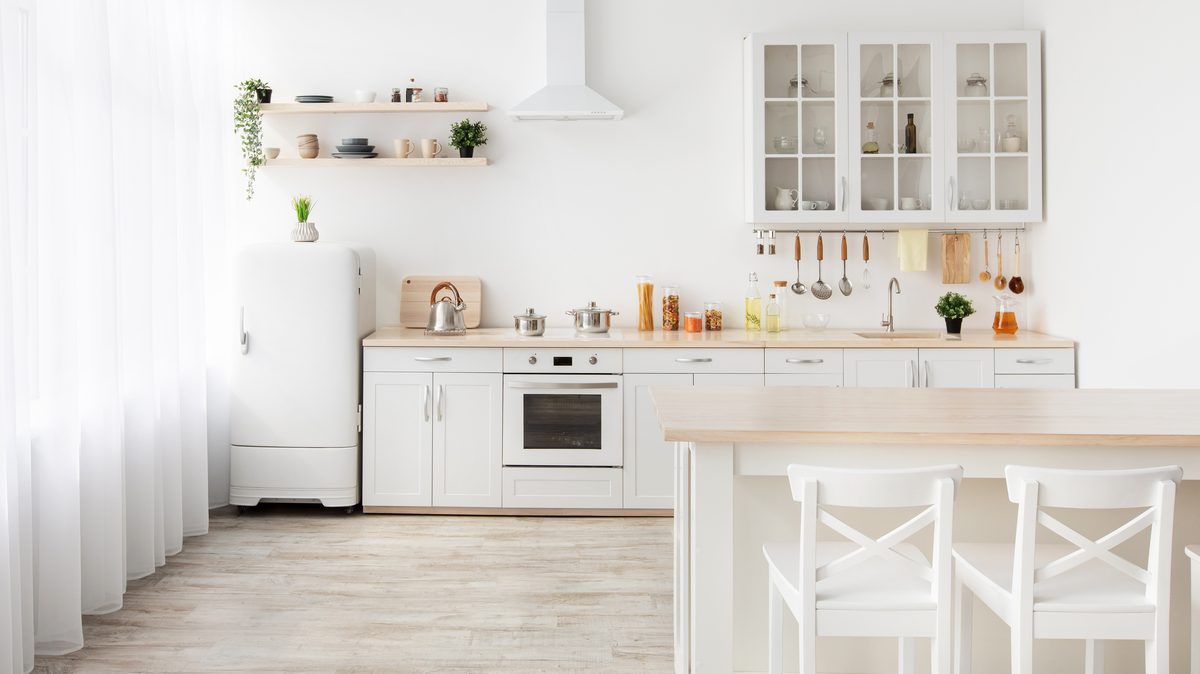
A plain-language look at where young people land when foster care ends, and where the housing gap really sits.
Read more ›
Why the lease structure — not the square footage — is usually what decides whether a placement holds.
Read more ›