
What Texas Recovery Housing Certification Requires From the Home
NARR’s four levels and TROHN certification decide what a sober living home has to prove before residents move in — and the physical home is where most applications stall.
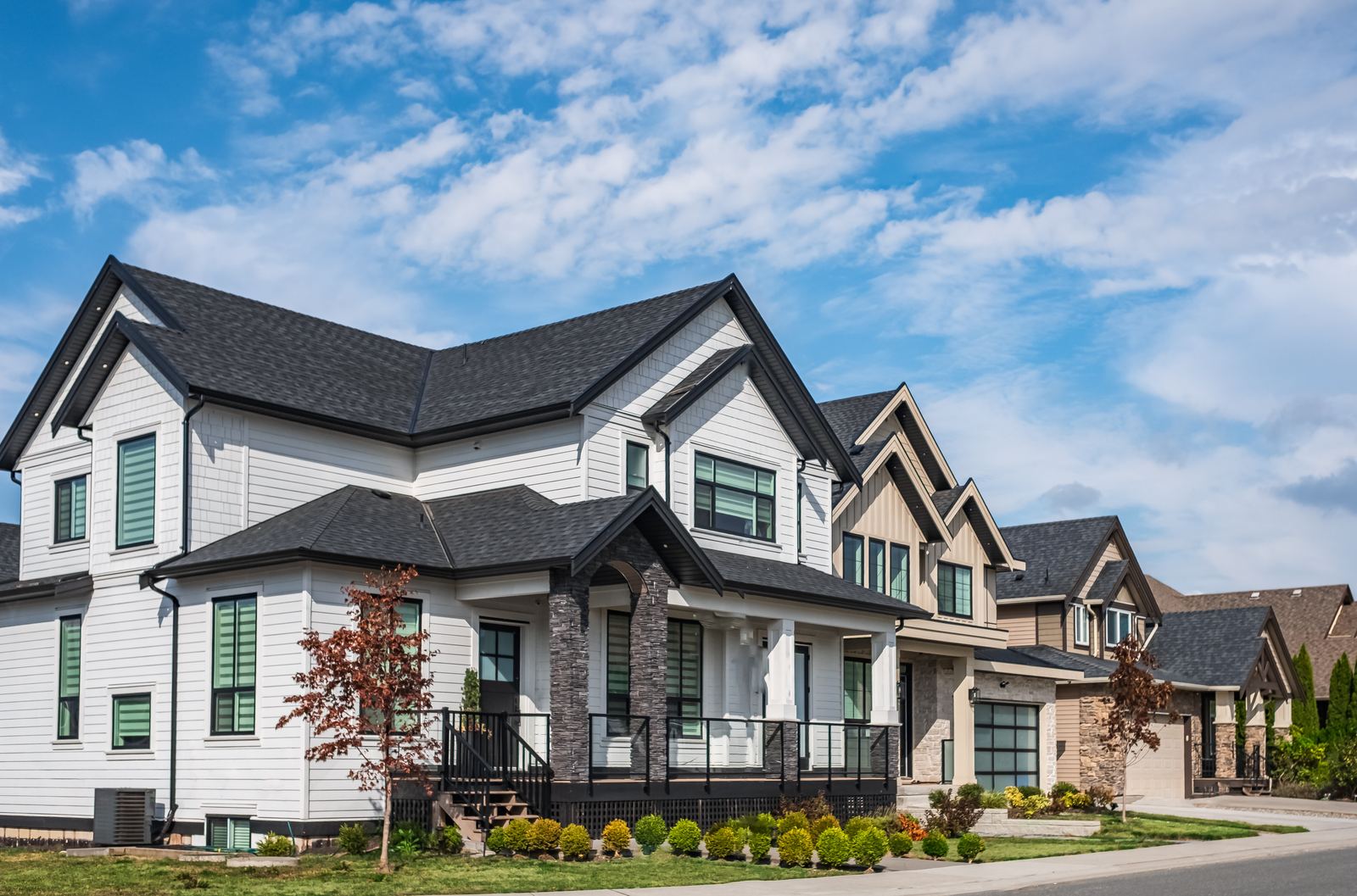
A program calls us with a straightforward question: we found a house, the landlord is willing, can we move residents in next month. Usually the honest answer is not yet — not because the house is wrong, but because nobody has asked what the certification body will actually want to see.
In Texas, a recovery residence does not get to skip that question anymore. If any part of your funding or your referral pipeline touches the state, certification is not a nice-to-have credential for the website. It is the thing that decides whether you can operate at all.
So it is worth walking through what certification actually requires, where the physical home fits into that picture, and where operators most often get surprised.
Why certification is not optional anymore
Texas recognizes recovery residences under the Texas Health and Safety Code, and since 2023 the requirement has teeth: a sober living home that wants state funding or that wants to take referrals from state-funded programs has to be certified. The certifying body for Texas is the Texas Recovery Oriented Housing Network (TROHN), authorized by the Texas Health and Human Services Commission. Oxford House certifies its own Level I homes separately; TROHN is the only body that can certify every level.
Before this requirement tightened, a lot of homes operated on reputation — a caseworker knew a house was decent and kept sending people there. That worked until it didn't. A single bad placement, one uncertified house that turned out to be unsafe or exploitative, is what pushed the state toward requiring a real standard. Programs that certify early are not just checking a compliance box. They are the ones a caseworker can refer to without making a phone call first to ask if the house is still any good.
We say this as background, not as legal advice. Certification requirements are set and interpreted by TROHN and HHSC, and they are worth confirming directly before you budget or build around any of it.
The practical effect shows up before anyone ever mentions the word certification. A caseworker with a client leaving detox is not going to send them to a house nobody can vouch for — not because of the rule, but because the risk of a bad placement is the caseworker's to carry. Certification is what lets that referral happen without a personal phone call and a leap of faith. An uncertified home is not automatically unsafe. It is just invisible to the referral pipeline that most residents actually come through.
The four levels, and why the level you pick changes everything
Texas certification follows the national NARR standard, which sorts recovery residences into four levels. The level is not a formality — it determines staffing, documentation, and what kind of home will even pass inspection.
A program that picks its level based on funding language, without asking what the level actually obligates them to provide, ends up out of compliance fast. A Level III designation implies staffing and documentation a Level I home was never built to carry. Decide the level based on the population and service model first. Let the housing follow that decision, not the other way around.
The honest way to pick a level is to work backward from what your residents actually need on day one, not from which level sounds most impressive on a grant application. A program serving people fresh out of a clinical stay usually needs more structure than a Level I house provides. A program serving residents further along in recovery, who mainly need stable housing and peer accountability, can over-build by reaching for Level III and end up carrying staffing costs the funding never accounted for. Get this wrong in either direction and the mismatch shows up at the certification review, not before.

What the home itself has to prove
Certification standards cover the program — grievance procedures, resident rights, staff qualifications where applicable — but a real share of what an inspector checks is the physical house. This is where a home that looked fine on a walkthrough can still stall an application.
- Occupancy limits that match the level. How many residents per bedroom and per bathroom is not negotiable, and it tightens as the level goes up. A house that comfortably fit a Level I peer-run model can be over capacity the moment a program tries to layer in Level III programming.
- Life-safety basics. Working smoke and carbon monoxide detectors in the right rooms, clear egress from every bedroom, a fire extinguisher where it belongs. Inspectors are not looking for perfection. They are looking for whether this got handled before residents moved in or after someone complained.
- A functioning kitchen and shared spaces that actually work for the number of people living there. One bathroom for eight residents fails on paper before it fails in practice.
- Documentation that the home itself is legitimate. A lease or deed showing who has legal control of the property, proof of insurance, and confirmation that the use is allowed under local zoning. Certifying bodies have been burned before by homes that looked right and were not actually authorized to operate as one.
- Written house standards. Not a verbal understanding of the rules — a document. What is expected of residents, what the grievance process is, who to call when something breaks. If it is not written down, it does not exist for certification purposes.
Most homes fail certification on paperwork and capacity math, not on anything wrong with the house itself.
Where the lease term quietly decides the outcome
Certification is not a one-time event. A residence gets re-certified, and the standard assumes some stability — a house that changes address every year is hard to certify meaningfully, because the certifying body is vouching for a specific property as much as a specific program.
This is where the lease structure matters more than programs expect going in. A twelve-month rental puts a program in the position of re-litigating its housing every year, right around the time a certification renewal or an HHSC funding cycle also comes due. A landlord who decides not to renew, or who raises the rent past what the budget can absorb, does not just cost the program a house. It can cost the program its certification timeline, because the new address has to go through the same review the old one did.
A multi-year master lease removes that specific risk. The organization holds the lease directly, controls the property for the term, and is not exposed to an annual renewal decision made by someone else. That stability is not a certification requirement written into the standard — but in practice, it is what makes a certification worth having, because it means the certified address is still the address next year.

Where we fit, and where we do not
We provide fully furnished homes on multi-year master leases. We are not the operator. Certification, staffing, house rules, resident selection, grievance procedures, and every day-to-day decision belong to the program that holds the license and runs it. We hold the property and keep it ready; the program does the work only they are positioned to do.
What we can do is remove one variable from a certification timeline that already has enough of them. A home that arrives furnished, on a lease term long enough to survive a re-certification cycle, with occupancy figured out before anyone moves in, is one less thing standing between a program and an inspection date.
We cannot tell a program what level to certify at, and we would not try. That decision belongs to the people who understand the population and the service model. What we can tell a program, honestly, is whether a specific house is even sized right for the level they are aiming for — before a lease gets signed, not after an inspector flags it.
Questions worth asking before you sign anything
The practical version
Certification in Texas is not going to loosen. The state tied it to funding and referrals for a reason, and the direction of travel is toward more homes being certified, not fewer. Programs that treat the housing side as an afterthought — find a house, sign what's available, sort out the paperwork later — are the ones that end up delaying a launch or a re-certification over something that had nothing to do with their program quality.
The programs that move fastest through certification are usually the ones that picked the level first, confirmed the house could actually support it, and locked in a lease long enough that the address would still be theirs at renewal.
If you are working through a certification application and the housing side is the part that is not resolved yet, tell us the level you are certifying at and how many beds you need. We can tell you plainly whether a specific home would support it.
Certifying a recovery residence in Texas?
Tell us the level and the bed count and we will tell you honestly whether a home we have fits.
Start the Conversation